
Monica

We are all at risk of falling and failing

December 04, 20252 min read

We are all at risk of falling and failing

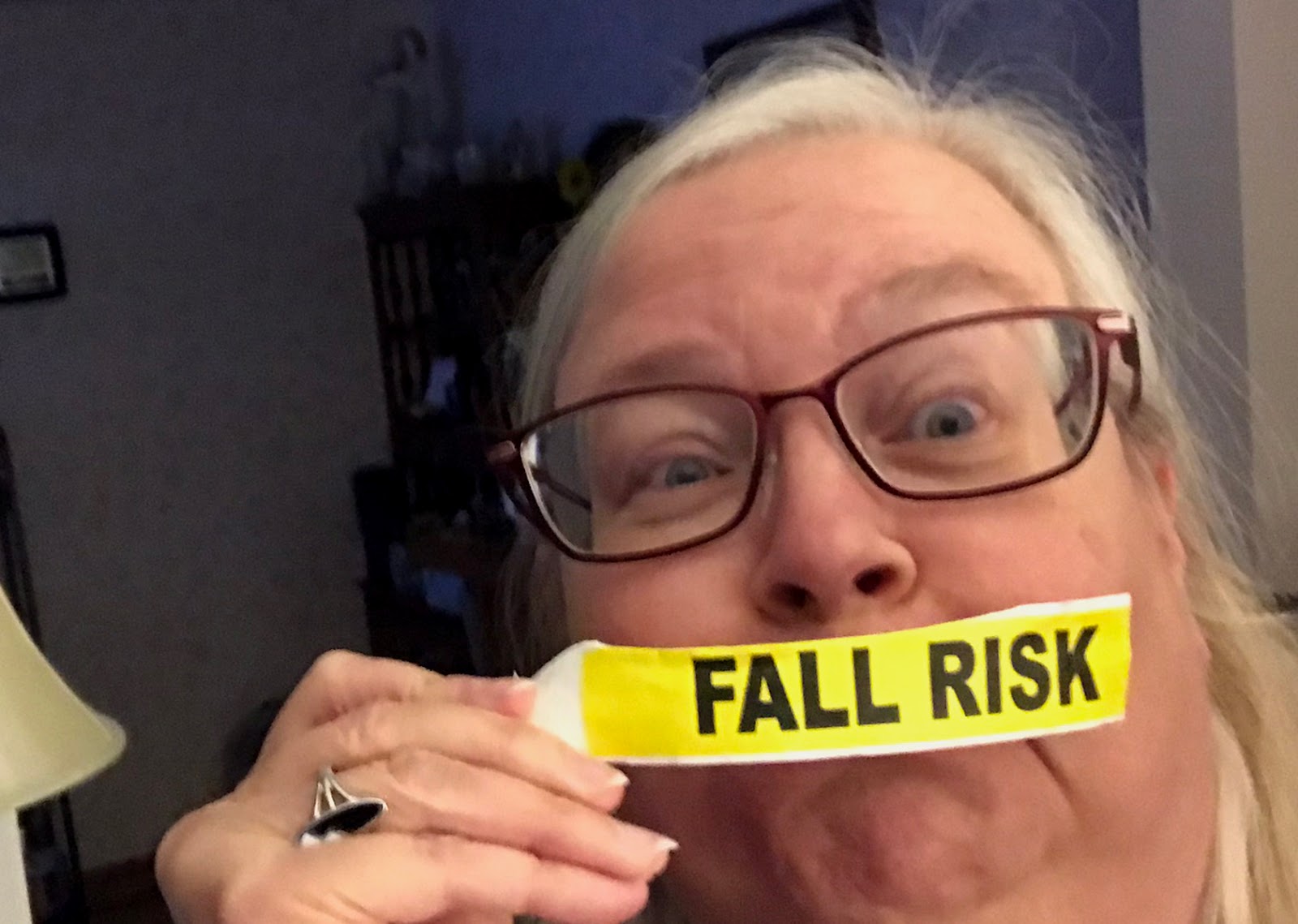
Yes, we’re in the period of fall risk … my husband Roger from his knee replacement surgery on Friday and me … just being a klutz. No, neither of us has fallen … though the cats are just waiting for a great story to tell on Catbook …

I also realized that we’re in another kind of fall risk … our mouths falling open and saying the wrong thing when we’re tired or in pain or frustrated. It can happen to the one who needs assistance and their caregiver … all because of this “being human” thing.

After getting home late Saturday afternoon, I was helping Roger, and his engineer brain was in full overload telling me what to do step by step. I finally said, “Stop! Stop telling me HOW to do it! I know what I’m supposed to do!”

He apologized. I guess that mental “slap” reminded him that I had spent all that time at the hospital learning how to attach the ice unit, and I didn’t need the play-by-play report. And I proved it by just doing it WHEN he gave me a chance.

Caregivers and their loved ones all have to give each other a chance in uncharted or familiar territory. We all occasionally stumble, but they’re not life threatening mistakes. They’re just human errors … the curse we all bear.

Relationships are strong, yet fragile. Some people let them erode out of stubbornness or an unwillingness to forgive others’ human ways. Sometimes we get caught up so much in our individual pain or woes that we forget that others who love us are hurting for us, too.

Even when we’re hurting inside or out, when we stop to reflect on others’ pain for us, it’s a drug-free remedy for what ails us. It’s also called distraction, because when we’re not focused on me, me, me, me … we can give our nerve endings a much-needed break.

What do we do when we see someone sad? Angry? Having a pity party? We distract them with common sense, humor, hugs, humanity … When we give and when we receive, we ease our own blood pressure and pain …

I know this isn’t a cure-all, but I can guarantee it’s a cure-most-of-the-time … and that’s pretty good in this imperfect world we live in …

I guess I’m still a fall risk … when I’m dancing and teasing Roger out of his reach … motivation, baby, motivation …

A former weekly newspaper reporter and editor, Monica Vest Wheeler focuses on coping with and surviving the everyday and emotional challenges of brain-related injuries, illnesses and diseases.

In addition to co-authoring a book on coping with cancer, Monica has written about Alzheimer’s in “Alzheimer’s, Dementia & Memory Loss: Straight Talk for Families & Caregivers,” one of the books in her Help Me Cope & Survive! series. Her latest projects in the series focus on coping with the daily challenges of stroke, brain injuries and brain tumors-brain cancer.

She’s spent thousands of hours working with and interviewing hundreds of patients, survivors, families and caregivers, and healthcare professionals, and interviewed individuals affected by the horrors of the Holocaust and intolerance. She’s given dozens of presentations on ways to cope with the emotions of catastrophic injuries, illnesses and diseases; the Holocaust and tolerance; the need to communicate; ways to express emotions on paper and verbally, how to use family history to better understand oneself and family today; and much more. She’s also interviewed individuals affected by the horrors of the Holocaust and intolerance.

Monica’s warm and engaging style is helping to bridge the silence that is so pervasive for those dealing with disease, loss and crisis.

Monica Vest Wheeler

A former weekly newspaper reporter and editor, Monica Vest Wheeler focuses on coping with and surviving the everyday and emotional challenges of brain-related injuries, illnesses and diseases. In addition to co-authoring a book on coping with cancer, Monica has written about Alzheimer’s in “Alzheimer’s, Dementia & Memory Loss: Straight Talk for Families & Caregivers,” one of the books in her Help Me Cope & Survive! series. Her latest projects in the series focus on coping with the daily challenges of stroke, brain injuries and brain tumors-brain cancer. She’s spent thousands of hours working with and interviewing hundreds of patients, survivors, families and caregivers, and healthcare professionals, and interviewed individuals affected by the horrors of the Holocaust and intolerance. She’s given dozens of presentations on ways to cope with the emotions of catastrophic injuries, illnesses and diseases; the Holocaust and tolerance; the need to communicate; ways to express emotions on paper and verbally, how to use family history to better understand oneself and family today; and much more. She’s also interviewed individuals affected by the horrors of the Holocaust and intolerance. Monica’s warm and engaging style is helping to bridge the silence that is so pervasive for those dealing with disease, loss and crisis.

LinkedIn logo icon
Youtube logo icon
Back to Blog