The calendars we keep … paper, digital, pure memory
Dates on the calendar. Sometimes you want to skip them or flip them off … or stay in that moment a little longer.
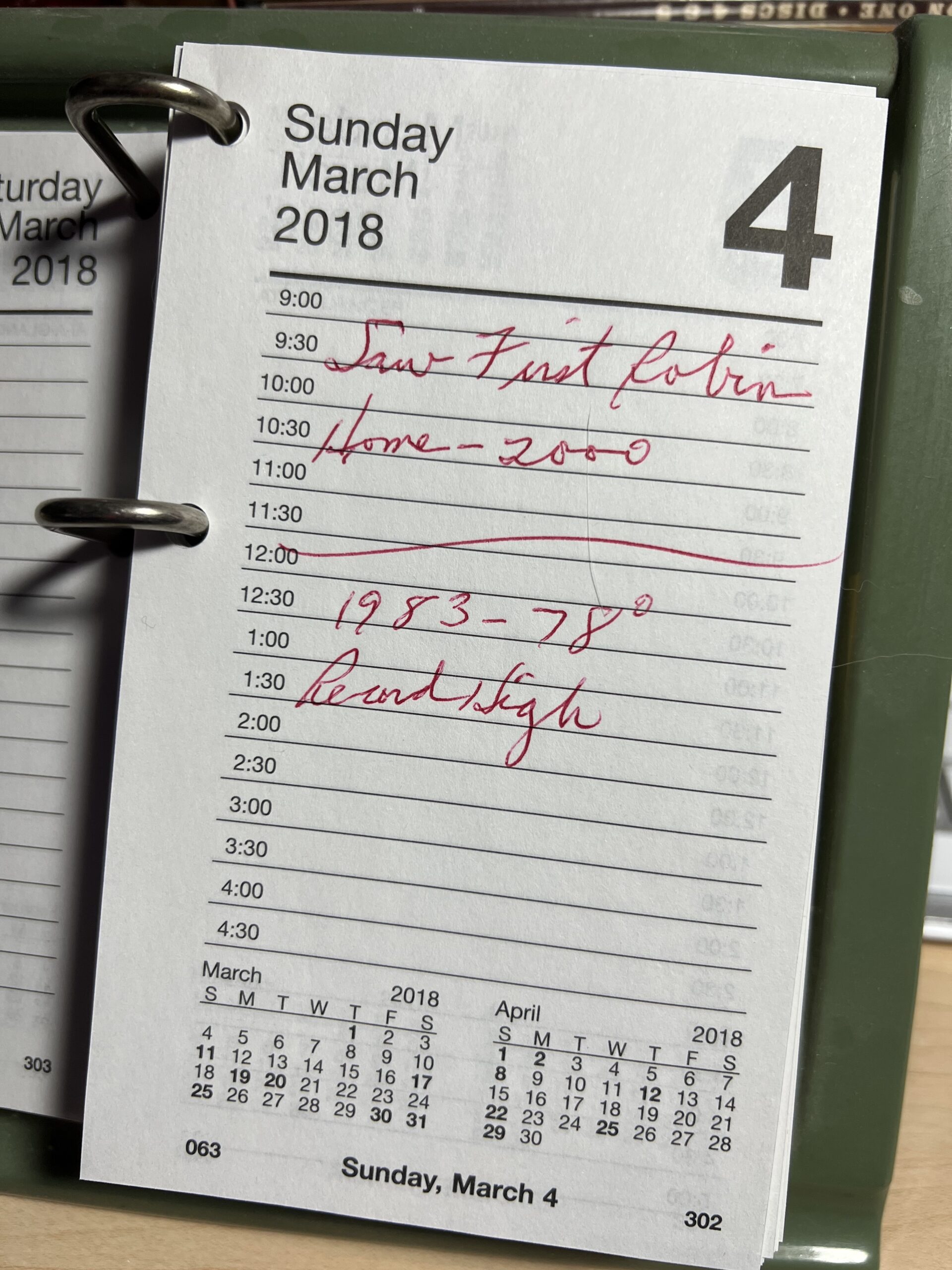
Every December when I was growing up, Mom and I made a special trip to Woolworth’s so she could purchase the refill for her daily calendar. She would devote an afternoon to copying important landmark dates from the previous year to the new one in that avocado plastic base.
I made that annual trek alone in December 2017 to the office supply store when Mom was too weak to go out. Lung cancer can do that to you …. We had no idea how many days, weeks or months she had left, but I HAD to get that 2018 calendar.
This woman of routines and rituals sat at her desk to fill in old memories on fresh pages. This time, her handwriting was more forced as she had to concentrate on script that was becoming harder to write and read. But every day until the last week of her life in July, she flipped that page to reveal what was new and old … and perhaps reaffirm where she was in the wheel of time.
It was one of the first things I packed in my “keeper” box along with nearly 10 years of her wall calendars. Being four hours away, I didn’t know all the events she had scheduled on those sheets, but it was eye opening to see her work schedule, doctors’ appointments, car maintenance and the “things” that filled her everyday life when I wasn’t around. I photographed those and recycled the big ones, but the little desk one, the biggest one of all, remains on my office shelf.
It reminds me of our different styles of keeping track of time. My paper calendars have primarily gone digital so I can keep better track of me. And memories appear magically with the push of a button.
Mom didn’t have anything written for today in hers, but several important life events of mine showed up on my social media files. Today was a biggie. Last year I was reunited with Roger after living on my aunt’s couch for 49 days while caring for her in Indiana.
In 2020, I was reunited with Roger after being gone for several weeks taking care of my cousin in California. In 2017 I was driving the Retreat & Refresh Stroke Camp van solo through a windy Texas to Las Vegas for a new camp. In 2015 Roger and I returned home after an amazing Stroke Camp cruise.
When we get too caught up in today, we all need reminders of the big and little landmarks in our lives … the ones that make us smile or sigh … and how we’ve accomplished so much more than we ever give ourselves credit for.
Hmm, on this date in my history … I’m better known as ironbutt … queen of the roadways … The memories will have to suffice. I ain’t going nowhere today … and that’s part of my history I’ll enjoy next year …
Hey, drop me a line at [email protected] or leave a comment below. I’d love to speak to your group, organization or company about working our way through the pain and challenges of everyday life. You want straight talk? You got me!


