
For us born fixers, it’s heartbreaking when you can’t fix someone you love
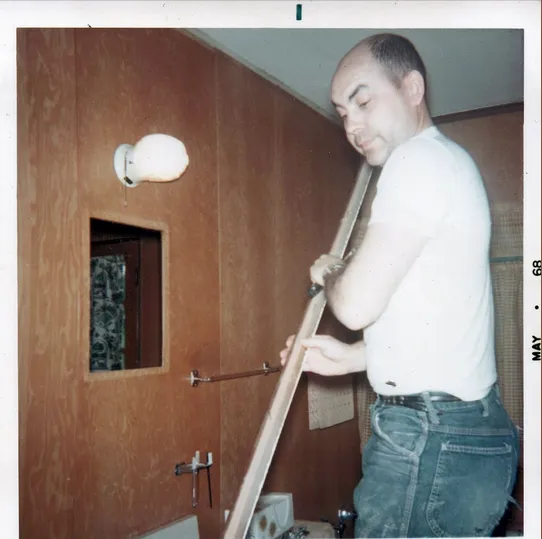
Dad and Mom spent countless hours remodeling our house in the late 60’s, and fixing little things along the way that needed attention. Mom did a lot of fixing before preparing the house to be sold in 2000 … as it was beginning to require a lot more fixing than she could handle on her own.
I’ve been alongside Roger as we’ve fixed things in the original house we moved into in 1980. We did a complete rewire of the house before moving in as the old tubes and knobs couldn’t handle the “modern” world. The city inspector was so impressed with Roger’s handiwork that he said he wished more full-time electricians did as good. That’s my electrical engineering major … I could only hold the flashlight and pull out old wiring upon the command, “NOW!”
When we moved into our current home 12 years old ago this fall, Roger and I discovered we needed a lot of little fixes. We still occasionally express our “unhappiness” with the home inspector who missed a lot of stuff during the purchase process. Grrrr …
It wasn’t until a decade ago that I fully comprehended that the word “fix” didn’t just mean “things.” It can also mean “people.” We want to fix our kids’ boo-boos, the obstacles they will encounter in life, the broken heart they will endure along the way.
We want to fix toxic people … today more than ever. Where is that magic pill when we need it … We want to fix our own injuries, illnesses and diseases. And we want to definitely fix it when our loved ones face difficult health challenges.
I’ve talked to so many individuals over the years that are dismayed, frustrated … and heartbroken when they can’t fix a loved one. Some of us are born to be fixers, whether it’s emotionally, physically, spiritually or financially. We thrive off solving inconveniences or threats. Even though we can’t be 100 percent successful all the time, we still mull what we could have done differently.
I’ve met many a family caregiver who steps up and never lets the word “never” stand in their way. They exert a lot of physical and emotional energy in facing crisis after crisis … and thank God “we made it through that one.”
Until THE one that can’t be fixed … with a little, a lot or no warning … initiating a soul-search of “what did I miss?” or “what could I have done differently?” and more.
Sometimes, there’s nothing that can be done. Not everyone can be “saved” every time. Thus is the cycle of life. Each of us arrives … and each of us leaves … on God’s schedule, not our own. We don’t have enough calendar pages to keep a loved one with us forever, and that is one of life’s hardest lessons. When to say hello and when to say goodbye …
And we never know when that day will be for the latter. We can’t fix everything and everyone. But we can provide healing touches, words, deeds and actions that ease our human pain … That’s what we’re supposed to do …
It was in the instruction manual that was delivered with us … the one that often gets tossed aside when we forget to think for ourselves and about our loved ones and friends … or let someone throw it in the bonfires that only humans create.
Yes, say a prayer for the unselfish fixers in this world … and then do even more with your actions and deeds to help them heal. You can have thoughts all day, but that’s not the “fix.” Be part of the best medicine in this world … YOUR movement and energy and compassion and love … We all need a lot more of it …
So, what’s your story? Drop me a line at [email protected] or leave a comment. I’d love to speak to your group, organization or company about working our way through the pain and challenges of everyday life. You want straight talk? You got me!


